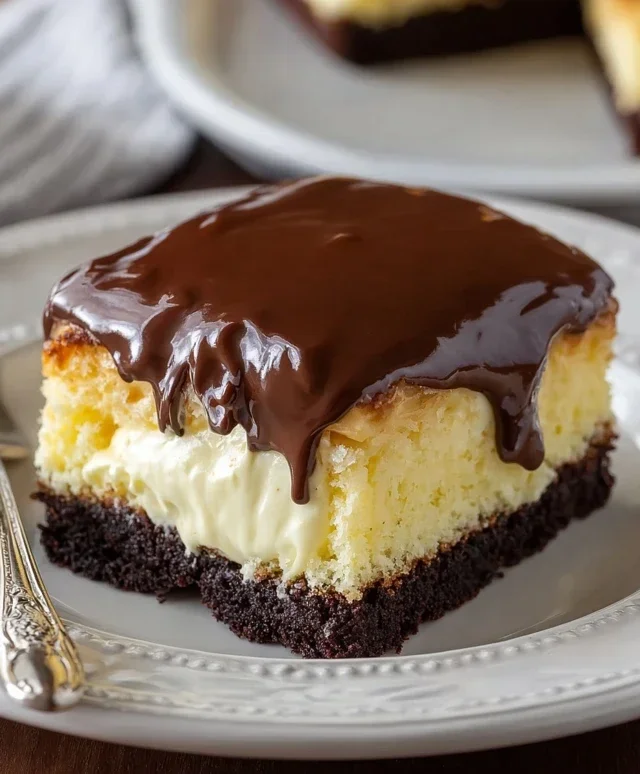
Easy Clay Pie Recipe- Fun DIY Dessert Idea
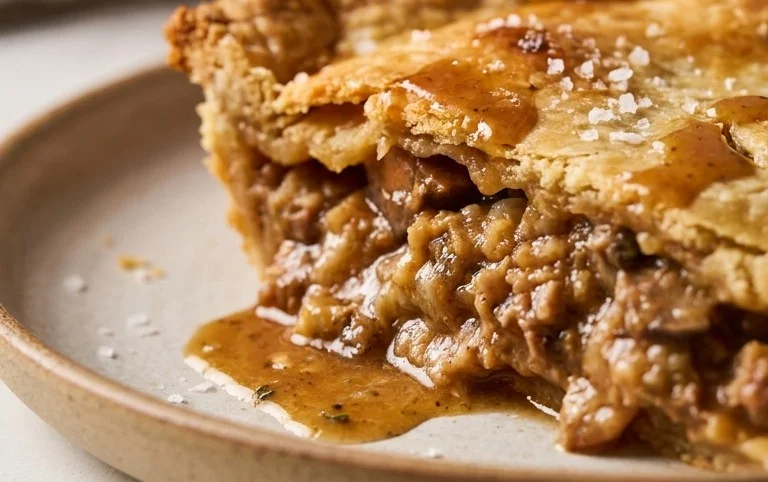
How to Make a Clay Pie, a rustic and incredibly satisfying dish, is more than just a meal; it’s an experience. Imagin extracte a dish so hearty and flavorful that it feels like a warm hug from your grandmother, even if you’ve never tasted it before. This isn’t your average pie; the “clay” refers to the wonderfully dense, savory filling that bakes into a beautifully textured masterpiece. People have fallen in love with this Clay Pie for generations because it’s the epitome of comfort food – it’s unpretentious, deeply nourishing, and always a crowd-pleaser. What truly sets this Clay Pie apart is its remarkable ability to transform simple, wholesome ingredients into something truly extraordinary. It’s the kind of recipe that brings people together, sparking conversations and creating lasting memories around the dinner table. Get ready to discover the magic of making your own delicious Clay Pie!
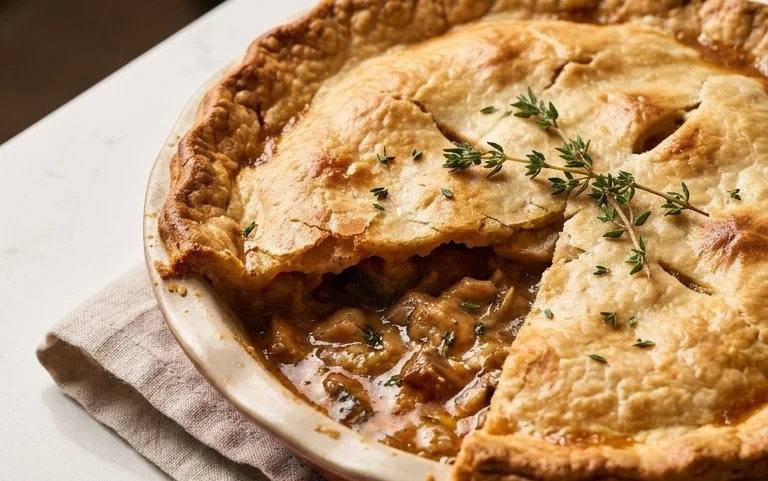
How to Make a Clay Pie
Welcome, fellow crafters! Today, we’re embarking on a delightful culinary adventure, but with a twist – we’re making a miniature pie entirely out of polymer clay! This project is perfect for dollhouse miniatures, charm making, or just for the sheer joy of creating something delicious-looking without the calories. We’ll be using some simple, readily available materials to craft a charming, golden-brown pie with a vibrant filling. Get ready to preheat your imagin extractation, because we’re about to bake some magic!
Ingredients:
Now that we have our “ingredients” gathered, let’s get to the fun part – the creation process!
Preparing the Pie Crust
The first step to any great pie is a fantastic crust. For our clay version, we’ll start with the tan polymer clay. I like to take a generous amount of clay and knead it until it’s nice and pliable. This ensures it’s easy to work with and free of any air bubbles that might cause problems later. Once it’s soft, I flatten it out. A good way to do this is by using a rolling pin or even just the palm of your hand to create a disk of clay. You want this disk to be slightly larger than the silver bottle cap you’ll be using as your pie tin. Think of the bottle cap as your miniature pie plate. Gently press the tan clay into the bottle cap, making sure to mold it up the sides to create a pie crust shape. Don’t worry if it’s not perfectly even; a slightly rustic look can add to its charm. Trim away any excess clay from the edges. The thickness of your crust should be consistent, around 2-3 millimeters, so it bakes evenly.
Creating the Pie Filling
Next, we’ll make our delicious-looking filling. I’ve chosen red polymer clay for a classic cherry or berry pie, but feel free to experiment with other colours like yellow for lemon, or even a marbled effect for a mixed berry pie! Take your chosen filling colour and roll it into a ball. Then, gently flatten it out to create a disk that will fit inside your clay pie crust. You don’t want the filling to overflow the edges of the crust; it should sit neatly within the confines of the bottle cap. You can add texture to your filling at this stage if you like. For a fruit filling, you might want to gently press a fork or a toothpick into the surface to create a slightly bumpy, juicy appearance. Alternatively, if you’re aiming for something like a custard pie, you might want to keep the surface smooth and even.
Assembling the Pie
Now comes the exciting part where our pie starts to take shape! Carefully place the flattened filling disk into the prepared crust. Gently press it down so it sits flush with the bottom of the crust. Don’t press too hard, as you don’t want to distort the shape of your crust. If you’re going for a more rustic pie, you can even leave some of the filling slightly visible peeking over the edge of the crust – this can make it look more homemade. Make sure the filling is evenly distributed within the crust. If you want to add extra detail, you could even create tiny little “fruits” or seeds for your filling by rolling tiny balls of a slightly different coloured clay and embedding them within the main filling.
Adding Crusty Details and Texture
This is where we elevate our clay pie from a simple disc to a truly believable pastry. We’ll use the soft pastels to add realistic browning and texture. Take your two shades of brown soft pastels. I like to use a stiffer brush or even a cotton swab for this. Lightly dust the edges of the crust with the darker brown pastel to simulate a baked, golden-brown edge. Then, using the lighter brown pastel, gently blend it over the surface of the crust, particularly towards the centre, to create a baked appearance. Don’t be afraid to layer these colours; you can build up the browning gradually until you achieve a look you’re happy with. You can also use a dry paintbrush to gently blend the pastel colours for a softer, more natural effect. This step really brings the pie to life and makes it look like it’s just come out of a real oven.
Baking Your Clay Pie
Once your pie is assembled and beautifully textured, it’s time for the “baking” process. Polymer clay needs to be baked in a conventional oven according to the manufacturer’s instructions. Generally, this involves preheating your oven to a specific temperature (usually around 275°F or 130°C, but always check your clay packagin extractg) and baking for a set amount of time, often 15-30 minutes per quarter inch of thickness. Place your clay pies on a baking sheet lined with parchment paper. It’s also a good idea to place them in a small, oven-safe dish or on a ceramic tile to ensure they bake evenly and don’t get flattened by the parchment paper. Always bake in a well-ventilated area and supervise the baking process closely. After baking, let your clay pies cool completely in the oven before removing them. This prevents cracking and ensures they are fully cured and hardened. Once cooled, you’ll have a perfectly preserved miniature clay pie ready to be displayed or used in your crafting projects!
Conclusion:
You’ve now got the blueprint to create your very own stunning clay pie! This recipe is truly fantastic because it’s accessible to everyone, regardless of their crafting experience. The satisfaction of molding and shaping the clay into a delectable-looking treat, without the mess or calories of baking, is unparalleled. It’s a wonderfully creative outlet that results in a beautiful, lasting piece you can proudly display or gift. Imagin extracte the compliments you’ll receive on your unique, handcrafted dessert!
Serving suggestions are plentiful! Display your finished clay pie on a decorative plate as a charming centerpiece for a kitchen counter or a themed party. It’s also a perfect addition to a dollhouse miniature collection or a whimsical vignette. For variations, don’t be afraid to experiment with different crust textures by using a fork or modeling tool. You can also get creative with “fillings” – perhaps a swirl of contrasting clay for a fruity pie filling, or even embed small decorative beads for a jeweled effect. The possibilities are truly endless!
I highly encourage you to give this clay pie recipe a try. It’s a rewarding project that offers immense creative freedom and a delightful end product. So grab your clay, unleash your inner artist, and have fun creating your edible-looking masterpiece!
Frequently Asked Questions:
What type of clay is best for making a clay pie?
Air-dry clay is generally the most user-friendly option for this project. It’s easy to work with, requires no special tools for baking, and dries to a hard, durable finish. Polymer clay is also a great choice if you have access to an oven, as it bakes to a very hard and permanent state, offering excellent durability.
How long does it take for a clay pie to dry?
Drying times can vary depending on the thickness of your clay and the humidity in your environment. For air-dry clay, most pieces will be dry to the touch within 24-48 hours. However, for full hardening and to ensure no moisture remains, it’s best to let it cure for at least 72 hours. If using polymer clay, follow the baking instructions on the packagin extractg, which are typically around 15-30 minutes depending on the thickness and oven temperature.
Can I paint my clay pie after it dries?
Absolutely! Painting is a fantastic way to bring your clay pie to life. Once your clay is completely dry and hardened, you can use acrylic paints to add realistic colors and details. Seal your painted pie with a clear sealant or varnish for added protection and a lasting finish.
How to Make a Clay Pie
A simple craft project to create a realistic-looking miniature pie using polymer clay.
Ingredients
-
Tan Polymer clay
-
Silver bottle cap(s)
-
Red Polymer clay
-
Soft pastels (2 shades of brown)
-
Water
-
Cornstarch
Instructions
-
Step 1
Prepare your workspace. Ensure it is clean and free of dust. -
Step 2
Condition the tan polymer clay until it is soft and pliable. Roll it out into a flat sheet. -
Step 3
Press the silver bottle cap into the conditioned tan clay to create the pie crust base. Trim any excess clay. -
Step 4
Condition the red polymer clay (or your chosen filling color) until soft. Roll it into a ball and flatten it slightly. Place this ‘filling’ into the clay crust. -
Step 5
Using a small tool or your fingertip, create a rustic edge for the pie crust. You can gently indent it to mimic texture. -
Step 6
Lightly dust the ‘filling’ with the soft pastels using a brush to create a more realistic, baked appearance. You can blend the two shades of brown for depth. -
Step 7
Bake the clay pie according to the manufacturer’s instructions for your specific polymer clay. Typically, this involves baking in a preheated oven. -
Step 8
Allow the pie to cool completely before handling. If desired, a thin layer of water mixed with a pinch of cornstarch can be applied to the ‘filling’ before baking for a glossy finish (remove after baking).
Important Information
Nutrition Facts (Per Serving)
It is important to consider this information as approximate and not to use it as definitive health advice.
Allergy Information
Please check ingredients for potential allergens and consult a health professional if in doubt.