The Best Chimichurri Sauce Recipe – Fresh & Flavorful
Chimichurri sauce is more than just a condiment; it’s an explosion of vibrant flavor that has captured hearts (and taste buds!) across the globe. Forget boring, one-note sauces; this Argentinian staple is a masterclass in herbaceous, zesty brilliance. What makes chimichurri sauce so utterly irresistible? It’s that perfect harmony of fresh parsley and oregano, brightened by garlic and vinegar, with a subtle kick of chili. I absolutely adore how this versatile sauce can transform the most humble grilled steak into a culinary masterpiece, but its magic doesn’t stop there. Drizzle it over chicken, fish, roasted vegetables, or even use it as a marinade – the possibilities are truly endless.
Why You’ll Love Making This Chimichurri
The beauty of homemade chimichurri sauce lies in its simplicity and incredible freshness. It’s incredibly easy to whip up in minutes, offering a far superior taste to any store-bought alternative. Get ready to elevate your everyday meals with this unforgettable, herbaceous delight!
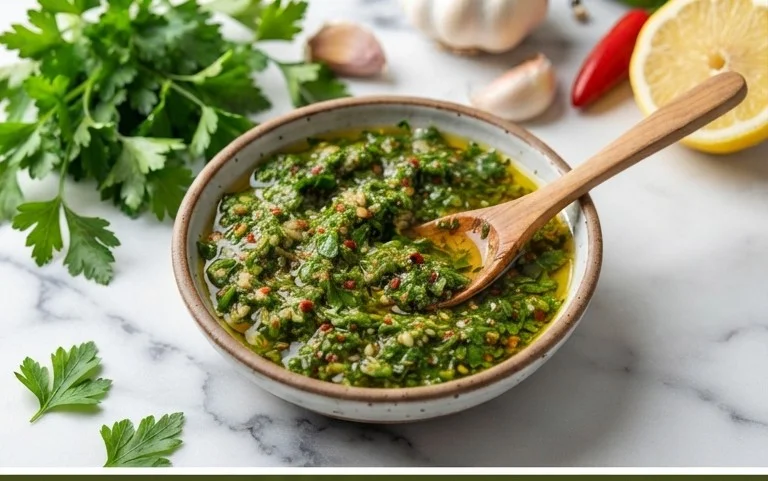
Chimichurri Sauce: The Zesty Argentinian Secret to Flavor
Are you ready to unlock a world of vibrant flavor with a simple yet incredibly versatile sauce? Chimichurri, a staple of Argentinian cuisine, is your answer. This herbaceous, garlicky, and tangy condiment is more than just a sauce; it’s an experience. Traditionally served alongside grilled meats, its bright acidity and fresh herbs cut through richness beautifully. But don’t stop there! I use chimichurri on everything from roasted vegetables and grilled fish to sandwiches and even as a salad dressing. Its magic lies in its simplicity and the power of fresh, high-quality ingredients. Making it at home is a breeze, and the resulting flavor is leagues beyond anything you’ll find pre-made.
Let’s get started on creating this delicious Argentine treasure in your own kitchen.
Ingredients:
Preparing the Fresh Herbs
The foundation of any great chimichurri is fresh, vibrant herbs. For our parsley and cilantro, the goal is to get a good, firm pack into your measuring cup. This ensures you have the right herb-to-oil ratio. For the parsley, you’ll want to wash it thoroughly and then pat it completely dry. Excess water can dilute the flavor of your chimichurri and affect its shelf life. You can do this by gently shaking the bunches or using a salad spinner. Once dry, strip the leaves from the tougher stems. For the cilantro, the stems are generally more tender and can often be included, but if yours are particularly thick or woody, just use the leaves. If you’re opting for dried oregano, a teaspoon will suffice, but fresh oregano offers a more nuanced, authentic flavor. Finely chop your fresh oregano leaves.
Chopping and Mincing with Precision
Next, we move on to the aromatics and foundational elements. Take your quarter of a small red onion, or if you prefer a milder, slightly sweeter bite, a small shallot. Finely dice it. The finer the dice, the more evenly distributed the onion flavor will be throughout the sauce. Similarly, peel your garlic cloves. For the smoothest and most potent garlic flavor, I like to mince them very finely. You can also use a garlic press if you have one, but I find mincing gives a slightly more rustic texture which I love in chimichurri. The goal here is to create small, manageable pieces that will easily meld into the sauce.
Combining the Wet and Dry Elements
Now it’s time to bring everything together. In a medium-sized bowl, combine your finely chopped parsley, cilantro, and oregano. Add your minced red onion or shallot and your minced garlic. Next, pour in the red grape juice vinegar and the fresh lemon juice. These acidic components are crucial for balancing the richness of the olive oil and the intensity of the garlic. Add your initial half teaspoon of salt and the red pepper flakes, if you’re using them. Remember, you can always add more salt and spice later to suit your personal preference. Stir this mixture thoroughly to ensure all the ingredients are well distributed. This initial mix of herbs and aromatics will already start to smell incredibly fresh and inviting.
The Emulsion: Adding the Olive Oil
This is where the magic truly happens and the chimichurri transforms from a chopped herb salad into a cohesive sauce. Slowly drizzle in the olive oil while continuously stirring. I recommend using a whisk for this step. The key is to add the oil gradually, allowing it to emulsify with the other ingredients. This slow incorporation helps to create a thicker, more stable sauce. You’re looking for a consistency that’s pourable but not too thin. As you whisk, you’ll notice the mixture begin extract to thicken and the colors will deepen. This is the emulsification process at work. Take your time here; rushing can result in an oily sauce that separates easily. Once all the olive oil is incorporated, give it a good whisk until the sauce is smooth and well-blended.
Tasting and Adjusting for Perfection
This is arguably the most important step: tasting and adjusting. Grab a spoon and take a generous taste of your freshly made chimichurri. Does it have enough salt? Is it bright and zesty enough? Do you want more heat from the red pepper flakes? This is your chance to customize it to your exact liking. If it needs more salt, add it in small increments, stirring well after each addition. If it’s not tangy enough, add a splash more lemon juice or vinegar. If you want it spicier, add a pinch more red pepper flakes. Once you’re happy with the flavor profile, give it one final stir.
Resting and Serving Your Chimichurri
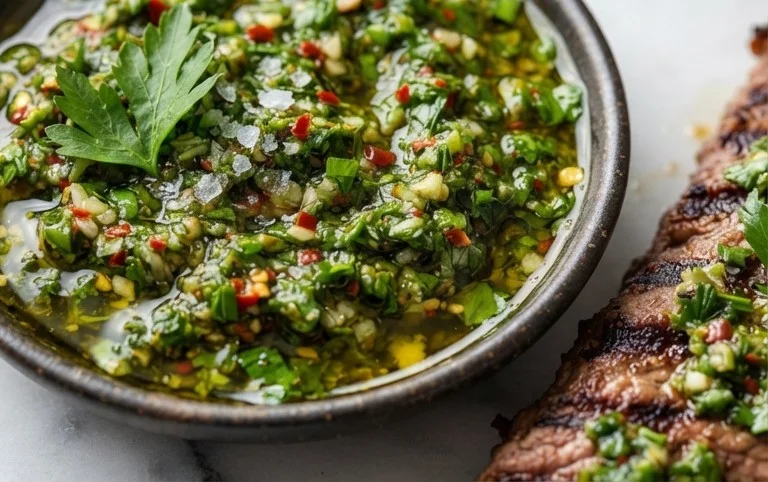
For the best flavor, I like to let my chimichurri rest for at least 30 minutes before serving. This allows the flavors to meld and deepen. You can make it ahead of time, and it will keep in an airtight container in the refrigerator for up to a week. The flavors will continue to develop over time, making it even more delicious. When you’re ready to serve, give it a good stir. It might separate slightly in the fridge, but a quick whisk will bring it back together. I love to serve this with grilled steak, chicken, or fish, but don’t hesitate to experiment. Spoon it over roasted vegetables, dollop it onto grilled halloumi, or use it as a vibrant spread on a sandwich. Enjoy the burst of fresh flavor!
Conclusion:
I hope you’re feeling inspired to whip up your own batch of this vibrant and incredibly versatile chimichurri sauce! It’s truly a game-changer for so many dishes, adding a burst of fresh, herbaceous flavor that elevates everything it touches. From grilled steaks and chicken to roasted vegetables and even as a dip for crusty bread, its zesty character is simply irresistible. The beauty of this recipe lies in its simplicity and the incredible depth of flavor achieved with just a few fresh ingredients. Don’t be afraid to experiment with the herbs to find your perfect balance. So go ahead, gather your parsley, cilantro, garlic, and vinegar, and discover for yourself just how amazing homemade chimichurri can be!
Frequently Asked Questions:
Can I make chimichurri ahead of time?
Absolutely! Chimichurri actually tastes even better after a few hours, or even overnight, in the refrigerator. This allows the flavors to meld and deepen. Store it in an airtight container.
What if I don’t have cilantro? Can I omit it?
You certainly can omit the cilantro if it’s not your favorite, or if you have an allergy. While cilantro adds a distinct aroma, the sauce will still be delicious with just parsley. You could also try substituting with a small amount of fresh oregano or even a bit of fresh mint for a different twist.
How long does chimichurri sauce last in the refrigerator?
When stored properly in an airtight container, your homemade chimichurri sauce should stay fresh in the refrigerator for about 5 to 7 days. The acidity from the vinegar acts as a natural preservative.
Chimichurri Sauce
A vibrant and herbaceous Argentinian sauce, perfect for grilled meats and vegetables. This version uses red grape juice vinegar instead of red wine vinegar and omits alcohol.
Ingredients
-
1 1/2 cups well packed fresh parsley
-
1/2 cup well packed fresh cilantro
-
1/4 cup fresh oregano
-
1/4 small red onion
-
3 garlic cloves
-
3 Tbsp red grape juice vinegar
-
2 Tbsp fresh lemon juice
-
1/2 tsp salt
-
1/4 tsp red pepper flakes
-
3/4 cup olive oil
Instructions
-
Step 1
Finely chop the fresh parsley, cilantro, oregano, red onion, and garlic. You can also pulse them briefly in a food processor for a quicker, slightly less coarse texture. -
Step 2
In a medium bowl, combine the chopped herbs, onion, and garlic. -
Step 3
Add the red grape juice vinegar, fresh lemon juice, salt, and red pepper flakes (if using) to the bowl. -
Step 4
Whisk everything together to combine. -
Step 5
Slowly drizzle in the olive oil while whisking constantly until the sauce emulsifies slightly and is well combined. -
Step 6
Taste and adjust seasoning as needed, adding more salt or red pepper flakes to your preference. -
Step 7
For best flavor, let the chimichurri sauce sit for at least 15-30 minutes at room temperature before serving to allow the flavors to meld.
Important Information
Nutrition Facts (Per Serving)
It is important to consider this information as approximate and not to use it as definitive health advice.
Allergy Information
Please check ingredients for potential allergens and consult a health professional if in doubt.