Quick Sautéed Carrots Zucchini Simple Side Dish
Sautéed carrots and zucchini are a weeknight superhero, transforming humble vegetables into a vibrant and incredibly satisfying side dish. Forget bland and boring; this recipe is all about bringin extractg out the natural sweetness of the carrots and the subtle, fresh flavor of the zucchini. People adore this dish because it’s so effortlessly delicious and remarkably versatile. Whether you’re serving it alongside grilled chicken, roasted fish, or as a standalone vegetarian option, it never fails to impress. What truly makes these sautéed carrots and zucchini special is the perfect balance of textures – tender-crisp vegetables kissed with just the right amount of heat and seasoning. It’s a simple symphony of flavors that proves healthy eating can be absolutely delightful.
A Simple Sauté for Maximum Flavor
Quick, Easy, and Delicious
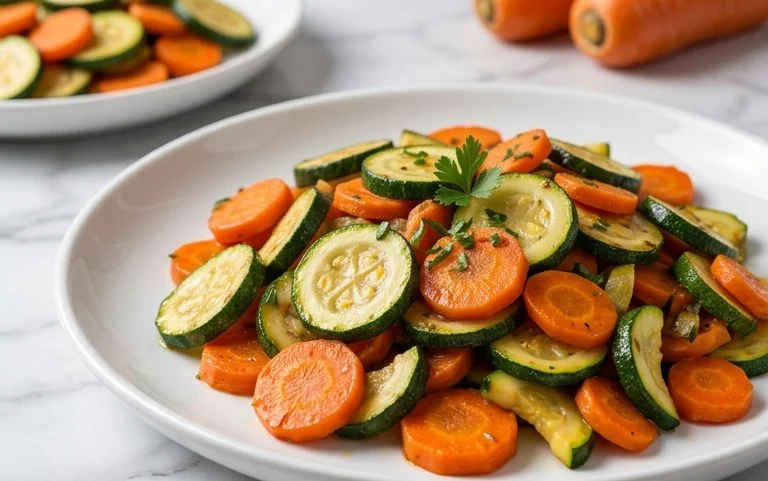
Sautéed Carrots and Zucchini Recipe
This Sautéed Carrots and Zucchini recipe is a simple yet incredibly flavorful way to bring vibrant color and fresh taste to your dinner table. It’s the perfect side dish for almost any meal, from grilled chicken and fish to hearty stews and vegetarian mains. The beauty of this dish lies in its simplicity, allowing the natural sweetness of the carrots and the mildness of the zucchini to shine. Plus, it’s incredibly quick to prepare, making it a weeknight lifesaver. I love how the herbs meld together during the sautéing process, creating an aromatic symphony that is both comforting and uplifting. Let’s get cooking!
Ingredients:
Cooking Instructions
Preparation is Key
Before we even think about turning on the stove, it’s important to get our vegetables prepped and ready. This ensures a smooth cooking process and prevents any last-minute scrambling. Start by washing your zucchinis and carrots thoroughly. For the zucchinis, I like to slice them into rounds about ¼-inch thick. If you have larger zucchinis, you might want to slice them in half lengthwise first and then cut them into half-moon shapes; this helps them cook more evenly and prevents them from becoming too watery. For the carrots, peeling them is usually a good idea, as the skin can sometimes be a bit tough. Similar to the zucchini, slice them into ¼-inch thick rounds or half-moons. The goal here is to have uniform pieces so that they cook at roughly the same rate. This uniformity is crucial for achieving that perfect tender-crisp texture we’re aiming for. Don’t forget to have your herbs and seasonings measured out and ready to go. This is often referred to as ‘mise en place,’ and it makes the actual cooking process so much more enjoyable and less stressful.
Building the Flavor Base
Now, let’s move on to infusing our vegetables with wonderful flavors. In a small bowl, I like to combine all the dried herbs: the thyme, parsley, and oregano, along with the garlic powder. Mixing these dry ingredients together beforehand ensures that they are evenly distributed throughout the dish. If you were to sprinkle them on individually, you might end up with pockets of strong herb flavor, which isn’t always ideal. Whisk them together until they are well combined. Set this mixture aside. Next, in a separate bowl, toss your prepared zucchini and carrot slices with the ¼ cup of olive oil. This initial coating of olive oil helps to prevent the vegetables from sticking in the pan and also acts as a carrier for the herbs we’ll be adding later. Make sure each piece is lightly coated. Season generously with sea salt and freshly ground black pepper. The salt not only enhances the flavors but also helps to draw out some of the moisture from the vegetables, contributing to a better sauté.
The Sautéing Process: First Stage – Carrots
Heat a large skillet or frying pan over medium-high heat. Once the pan is hot, add the 2 tablespoons of ghee or olive oil. Ghee adds a wonderful nutty richness, but olive oil works perfectly well too. Let the ghee or oil heat up until it shimmers, but be careful not to let it smoke. This is important for achieving a good sear and preventing the vegetables from becoming greasy. Carefully add the seasoned carrot slices to the hot pan in a single layer. It’s tempting to crowd the pan, but resist the urge! Overcrowding will cause the carrots to steam rather than sauté, resulting in a softer, less desirable texture. If necessary, you can cook the carrots in batches. Let the carrots cook undisturbed for about 3-4 minutes, allowing them to develop a nice golden-brown color on one side. This initial browning is where a lot of the sweetness and depth of flavor comes from. Once they have a nice sear, give them a stir and continue to cook for another 3-4 minutes, or until they are begin extractning to soften. They should still have a slight bite to them at this stage.
The Sautéing Process: Second Stage – Adding Zucchini and Herbs
Once the carrots are partially cooked and tender-crisp, it’s time to introduce the zucchini and our herb and garlic powder mixture. Add the sliced zucchinis to the same skillet with the carrots. Try to arrange them in a single layer as much as possible. Now, sprinkle the prepared herb and garlic powder mixture evenly over both the carrots and zucchini. Give everything a good stir to ensure the herbs and seasonings coat all the vegetables. The zucchini will cook much faster than the carrots, so we add it later. Continue to sauté the vegetables, stirring occasionally, for another 5-7 minutes. You’re looking for the zucchini to become tender-crisp and slightly golden, while the carrots finish cooking and become tender but not mushy. The herbs will become fragrant and infuse into the oil and vegetables. Taste a piece of carrot and zucchini to check for doneness. Adjust seasoning with more salt and pepper if needed. The goal is a beautiful medley of tender vegetables with a lovely slight char and aromatic notes.
Finishing Touches and Serving
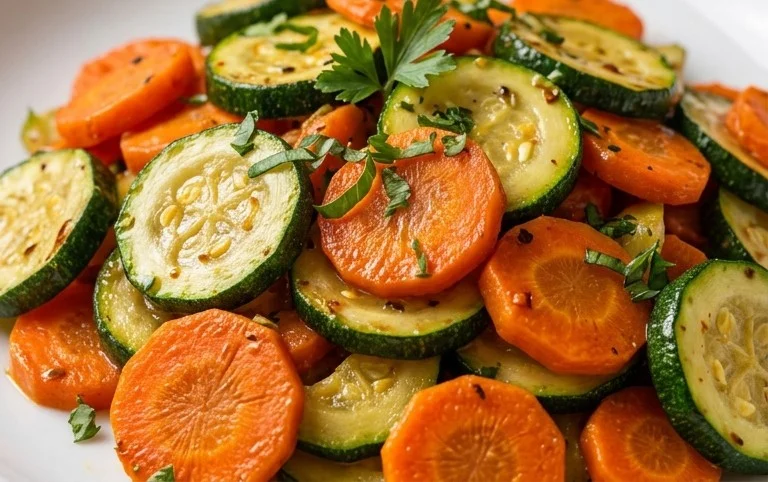
Once the vegetables have reached your desired level of tenderness – tender-crisp is usually the sweet spot, meaning they have a slight bite to them – remove the skillet from the heat. The residual heat will continue to cook the vegetables slightly. You can give them one final toss in the pan. The olive oil and ghee, infused with the flavors of the herbs, garlic, and the natural juices released from the vegetables, will create a light and delicious coating. Serve this Sautéed Carrots and Zucchini immediately as a vibrant and healthy side dish. It pairs wonderfully with almost anything! For an extra touch of freshness, you could even sprinkle a little fresh parsley or chives over the top just before serving, though the dried parsley already provides a lovely herbaceous note. This simple dish proves that sometimes, the most delicious flavors come from the freshest ingredients prepared with care. Enjoy this quick, healthy, and incredibly satisfying vegetable side!
Conclusion:
There you have it – a wonderfully simple yet incredibly flavorful way to enjoy the vibrant goodness of sautéed carrots and zucchini! This recipe is a true winner because it’s so quick to prepare, making it perfect for busy weeknights, and it highlights the natural sweetness of the carrots and the subtle freshness of the zucchini. The simple seasonings allow the vegetables to truly shine, and the tender-crisp texture is just delightful. I hope you’ll give this sautéed carrots and zucchini recipe a try. It’s a versatile side dish that can elevate any meal.
This dish pairs beautifully with grilled chicken or fish, roasted beef, or even alongside a hearty lentil soup. For a more substantial meal, you could toss in some cooked quinoa or pasta, or even top it with a poached egg. Don’t be afraid to experiment with variations! A sprinkle of fresh herbs like parsley, dill, or chives at the end adds another layer of flavor. A squeeze of lemon juice can brighten things up, and a pinch of red pepper flakes can add a gentle warmth. You can also add other vegetables like bell peppers or mushrooms for even more variety.
Frequently Asked Questions about Sautéed Carrots and Zucchini:
Can I use frozen carrots or zucchini?
While fresh is always best for texture, you can use frozen carrots and zucchini. Make sure to thaw them completely and pat them very dry before sautéing to avoid a watery dish. You may need to adjust the cooking time slightly.
What other seasonings can I use?
Feel free to get creative! Garlic powder, onion powder, smoked paprika, or a touch of curry powder can add delicious twists. A splash of balsamic vinegar or soy sauce towards the end of cooking can also be wonderful.
How can I make this a main dish?
To make this sautéed carrots and zucchini a more substantial meal, consider adding cooked protein like chickpeas, tofu, or shredded chicken. Tossing it with your favorite pasta or serving it over rice or quinoa are also excellent options.
Sautéed Carrots and Zucchini
A simple and quick sautéed vegetable dish featuring tender carrots and zucchini with aromatic herbs and garlic.
Ingredients
-
2 zucchinis (sliced)
-
3 to 4 carrots (thinly sliced)
-
1 tsp. dried thyme
-
1 tsp. dried parsley
-
1 tsp. garlic powder
-
1/2 tsp. dried oregano
-
1/4 cup olive oil
-
2 tbsp. ghee
-
Sea salt and ground black pepper
Instructions
-
Step 1
Wash and thinly slice the zucchinis and carrots. -
Step 2
In a large skillet or wok, heat 1/4 cup of olive oil over medium-high heat. -
Step 3
Add the thinly sliced carrots to the hot oil and sauté for 5-7 minutes until they begin to soften. -
Step 4
Add the sliced zucchinis to the skillet, along with the dried thyme, dried parsley, garlic powder, and dried oregano. -
Step 5
Continue to sauté for another 5-7 minutes, stirring occasionally, until both vegetables are tender-crisp. -
Step 6
Add the 2 tbsp. of ghee (or additional olive oil) and stir to combine. Season generously with sea salt and ground black pepper to taste. -
Step 7
Cook for an additional 1-2 minutes, allowing the ghee to coat the vegetables. -
Step 8
Serve hot as a side dish.
Important Information
Nutrition Facts (Per Serving)
It is important to consider this information as approximate and not to use it as definitive health advice.
Allergy Information
Please check ingredients for potential allergens and consult a health professional if in doubt.