Beef Ragu Pasta Easy Tomato Beef Pasta Recipe
Beef Pasta in Tomato Sauce, or as many of us affectionately call it, Beef Ragu Pasta, is a dish that just whispers comfort. There’s something universally beloved about a hearty, slow-simmered ragu clingin extractg to perfectly cooked pasta, all bathed in a rich, vibrant tomato sauce. It’s the kind of meal that brings people together, evokes childhood memories, and satisfies even the most demanding cravings. What truly makes this Beef Pasta in Tomato Sauce so special isn’t just its simplicity, but the depth of flavor that develops over time. We’re talking about tender chunks of beef, aromatic vegetables, and a luscious tomato base that transforms humble ingredients into a culinary masterpiece. It’s a recipe that feels both classic and deeply satisfying, perfect for a cozy weeknight dinner or a celebratory Sunday feast.

Beef Pasta in Tomato Sauce {Beef Ragu Pasta}
There’s something incredibly comforting about a hearty bowl of pasta coated in a rich, slow-simmered tomato sauce with tender chunks of beef. This Beef Ragu Pasta is a recipe that proves delicious meals don’t always need to take hours. It’s perfect for a weeknight dinner when you’re craving something satisfying but short on time, yet it has enough depth of flavor to impress on a lazy Sunday afternoon. The secret to getting that beautiful, complex ragu flavor without a full day in the kitchen lies in a few key techniques and the quality of your ingredients. We’re going to build layers of flavor from the very begin extractning, starting with browning our beef perfectly and then letting the aromatics work their magic. This isn’t just pasta with sauce; it’s a culinary hug in a bowl.
Ingredients:
Cooking Instructions:
Browning the Beef and Building the Flavor Base
1. Begin extract by heating the olive oil in a large, heavy-bottomed pot or Dutch oven over medium-high heat. Once the oil is shimmering, add the ground beef. Break it up with a spoon and cook, stirring occasionally, until it’s nicely browned on all sides. This browning process is crucial for developing a rich, deep flavor in our ragu. Don’t rush this step; aim for those delicious little browned bits clingin extractg to the bottom of the pot – that’s where the flavor lives! Once the beef is browned, use a slotted spoon to transfer it to a plate, leaving any rendered fat in the pot.
2. Reduce the heat to medium and add the finely chopped onion, carrots, and celery to the pot. This trio of vegetables is known as a mirepoix and forms the aromatic foundation of many great sauces. Cook, stirring frequently, for about 8-10 minutes, or until the vegetables have softened and the onions are translucent. You want them to be tender but not browned. This slow cooking releases their natural sweetness and builds a wonderful base for our tomato sauce.
3. Now it’s time to introduce the garlic and dried herbs. Add the minced garlic, dried oregano, dried basil, and red pepper flakes (if using) to the pot. Stir and cook for about 1 minute more, until the garlic is fragrant. Be careful not to burn the garlic, as this can turn it bitter. The heat from the pot will bloom the dried herbs, intensifying their flavor and aroma.
Simmering the Ragu
4. If you’re using red grape juice, pour it into the pot now. Let it bubble and reduce by about half, scraping up any browned bits from the bottom of the pot as it cooks. This deglazing step adds another layer of complexity and removes any fond that might be sticking. Once the grape juice has reduced, stir in the tomato paste and cook for another minute, allowing it to toast slightly and deepen its flavor. Next, add the crushed tomatoes, diced tomatoes, and beef broth. Give everything a good stir to combine.
5. Return the browned ground beef to the pot. Bring the sauce to a gentle simmer, then reduce the heat to low, cover the pot, and let it cook for at least 30 minutes, stirring occasionally. The longer it simmers, the more the flavors will meld and deepen. For an even richer sauce, you can simmer it for up to an hour. Taste the sauce and season generously with salt and freshly ground black pepper. Remember, the pasta will absorb some of the saltiness from the sauce, so don’t be shy, but always taste and adjust.
Cooking the Pasta and Serving
6. While the ragu is simmering, cook your pasta according to the package directions in a large pot of salted boiling water. We want our pasta to be perfectly al dente – tender but with a slight bite. Once the pasta is cooked, drain it, reserving about 1 cup of the pasta cooking water.
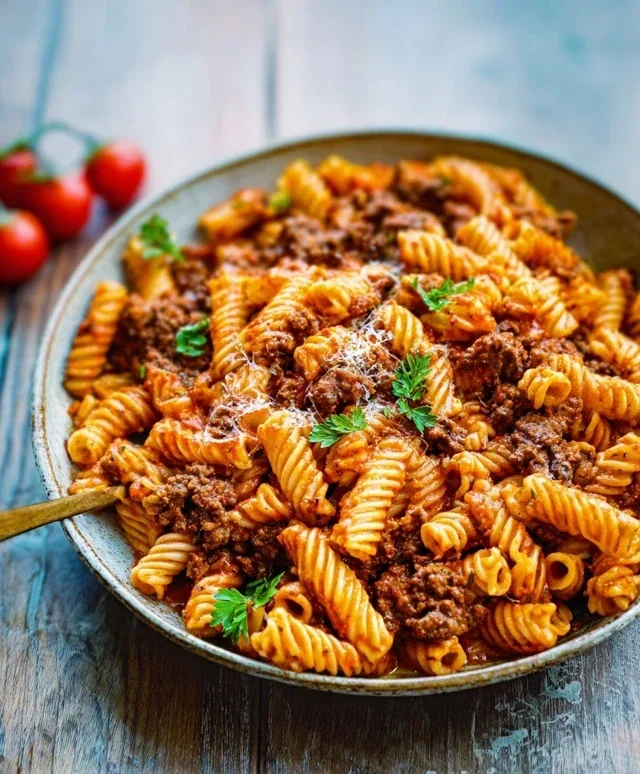
7. Add the drained pasta directly to the pot of ragu. Toss well to coat every strand of pasta with the delicious sauce. If the sauce seems a little too thick, add a splash of the reserved pasta water. The starch in the pasta water will help the sauce emulsify and cling beautifully to the pasta. Serve immediately, garnished with plenty of freshly grated Parmesan cheese and a few fresh basil leaves, if you like. This Beef Ragu Pasta is a testament to how simple ingredients and a little bit of time can create something truly extraordinary. Enjoy!
Conclusion:
There you have it – a truly satisfying and comforting Beef Pasta in Tomato Sauce, or as many fondly call it, Beef Ragu Pasta! This recipe is fantastic because it delivers deep, rich flavors that develop beautifully over a gentle simmer, resulting in incredibly tender beef that melts in your mouth. It’s the perfect weeknight meal that feels special enough for a weekend dinner, offering incredible value and a delicious outcome for relatively little effort. The simplicity of the ingredients belies the complex taste you achieve.
Serve this hearty Beef Ragu Pasta with your favorite pasta shape – thick rigatoni or pappardelle are excellent choices to hold onto the hearty sauce. A sprinkle of fresh Parmesan cheese and a side of crusty bread for soaking up every last drop are highly recommended. For variations, feel free to add a pinch of red pepper flakes for a touch of heat, or stir in some finely chopped carrots and celery with the onions for an even more robust flavor base. Don’t be afraid to experiment and make it your own! I truly encourage you to give this delicious recipe a try. You won’t be disappointed!
Frequently Asked Questions:
Can I make this Beef Ragu Pasta ahead of time?
Absolutely! In fact, Beef Ragu Pasta often tastes even better the next day as the flavors have more time to meld. You can refrigerate it for up to 3 days or freeze it for up to 3 months. Simply reheat gently on the stovetop or in the oven.
What kind of beef is best for this recipe?
For the most tender and flavorful results, I recommend using a tougher cut of beef that benefits from slow cooking, such as chuck roast, brisket, or even ground beef with a good fat content. These cuts break down beautifully during the simmer and create that irresistible melt-in-your-mouth texture.
Beef Pasta in Tomato Sauce
A hearty and flavorful beef ragu pasta, perfect for a comforting meal. This recipe uses ground beef simmered in a rich tomato sauce and served over your favorite pasta.
Ingredients
-
1 pound ground beef
-
1 tablespoon olive oil
-
1 onion, chopped
-
2 cloves garlic, minced
-
1 (28 ounce) can crushed tomatoes
-
1 teaspoon dried oregano
-
Salt and black pepper to taste
-
12 ounces pasta
Instructions
-
Step 1
Heat olive oil in a large skillet or Dutch oven over medium-high heat. -
Step 2
Add ground beef and cook, breaking it up with a spoon, until browned. Drain off any excess fat. -
Step 3
Add the chopped onion to the skillet and cook until softened, about 5 minutes. -
Step 4
Stir in the minced garlic and cook for 1 minute more until fragrant. -
Step 5
Pour in the crushed tomatoes and add the dried oregano, salt, and pepper. Stir to combine. -
Step 6
Bring the sauce to a simmer, then reduce heat to low, cover, and cook for at least 30 minutes, stirring occasionally, to allow flavors to meld. For a richer flavor, simmer for up to an hour. -
Step 7
While the sauce simmers, cook pasta according to package directions. Drain well. -
Step 8
Serve the beef ragu sauce over the cooked pasta.
Important Information
Nutrition Facts (Per Serving)
It is important to consider this information as approximate and not to use it as definitive health advice.
Allergy Information
Please check ingredients for potential allergens and consult a health professional if in doubt.